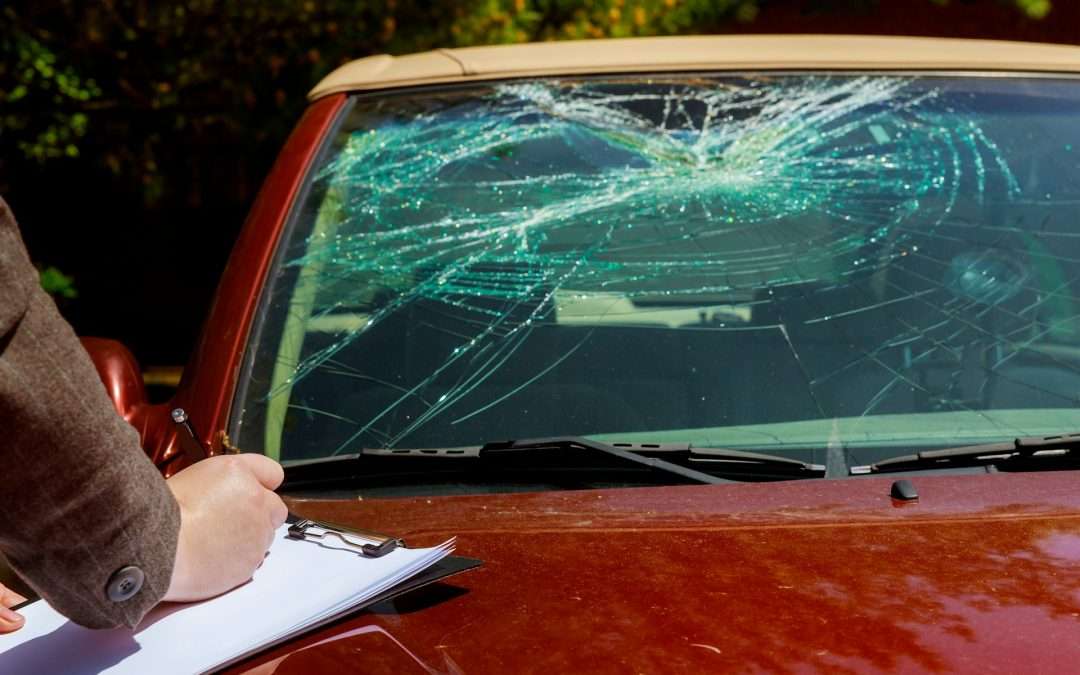
Accidents can happen when you least expect them, leaving you feeling overwhelmed and unsure of what to do next. Gathering evidence soon after the incident is a key step towards protecting your rights and ensuring you have all the necessary information to support any claims you might make.
Taking the time to document the accident scene carefully can greatly affect the outcome of your case. This includes capturing photos of the area, collecting contact information from witnesses, and ensuring you have access to any official reports. Each piece of evidence plays a crucial role in building a strong case.
It’s also important to organize and preserve digital evidence, like camera footage or electronic communications. Doing this helps create a clear narrative of what happened and can help substantiate your position if disputes arise. By knowing exactly what steps to take, you can approach these challenging situations with greater confidence and clarity.
Documenting the Accident Scene Effectively
When a car accident happens, documenting the scene effectively is crucial for any future claims. Clear evidence helps demonstrate what happened and who might be at fault. Here’s how you can document efficiently:
1. Take Photos and Videos: Use your phone to capture images and videos of the accident scene. Focus on vehicle damage, road conditions, and any visible injuries. Try to capture the accident from multiple angles, including close-ups and wider shots to show the surrounding area.
2. Note Environmental Conditions: Record the weather, lighting, and road conditions. These factors can play a significant role in explaining how the accident happened. Make notes if the road was wet, if visibility was poor, or if there were any hazards like debris.
3. Sketch the Scene: Draw a simple sketch of the accident scene. Include the position of vehicles, street names, traffic signs, and the direction each vehicle was traveling. This can help you recall details later on.
4. Record License Plates and Vehicle Details: Jot down the other vehicles’ license plate numbers, makes, and models. Include a description of any noticeable vehicle modifications or damages that might have pre-existed the accident.
5. Document Time and Location: Write down the exact time and location of the accident. This information is crucial for police reports and insurance claims.
6. Check for Surveillance Cameras: Look around for nearby surveillance cameras that might have recorded the incident. Note their locations and contact the property owners to request footage.
By thoroughly documenting the accident scene with these methods, you increase your chances of a smoother claims process and help protect your rights.
Gathering Witness Statements and Contact Information
Witnesses can provide crucial support for your version of events in a car accident. Knowing how to gather witness statements and contact information effectively is vital.
1. Identify Witnesses: Immediately after ensuring your safety, look around for any potential witnesses. These could be drivers, passengers, pedestrians, or nearby business employees who saw the incident.
2. Approach Them Quickly: Approach witnesses as soon as possible. Memories can fade quickly, so it’s important to gather their accounts while details are fresh in their minds.
3. Collect Contact Information: Get their full names, phone numbers, and email addresses. If they agree to provide a statement, having multiple ways to reach them ensures that their testimony can be used if needed later.
4. Ask Open-Ended Questions: Encourage them to share what they observed. Ask questions that prompt detailed responses, such as “Can you describe what you saw?” rather than “Did you see the green car hit the red one?”
5. Take Notes or Record Statements: With their permission, take notes or record their statements using your phone. Be direct and polite, and let them know how their input could help your case.
6. Provide Your Information: Give them your contact details so they can reach you if they think of more details or need to confirm any information later.
By collecting witness statements and contact information efficiently, you bolster your position in any legal or insurance discussions that follow the accident. Witnesses can provide the unbiased accounts needed to support your claims.
Collecting Official Reports and Medical Records
After a car accident, official reports and medical records play a critical role in supporting your insurance or legal claims. These documents provide an authoritative account of the incident and its impact on your health.
1. Police Report: Contact the police immediately following an accident to file a report. This document includes details of the accident, statements from involved parties, and the officer’s observations. Request a copy as it’s often a key piece of evidence.
2. Accident Report from Insurance: When you report the accident to your insurance company, make sure they complete an accident report. This record details the insurer’s view of how the incident unfolded and any assessments of damages.
3. Medical Records: Visit a healthcare provider promptly to evaluate and document any injuries. Detailed medical records, including diagnosis and treatment plans, help illustrate the accident’s impact on your health. Collect any follow-up care instructions or prescriptions as well.
4. Repair Estimates: Obtain estimates or invoices from body shops for vehicle repairs. These provide a clear assessment of damage costs and aid in negotiating settlements.
5. Additional Official Documents: Seek traffic camera footage or any other city documentation if available. These may provide additional proof of incident details.
Having these reports is vital to validating your claim, ensuring you receive appropriate compensation, and aiding any legal actions. Keep them organized and accessible for when they’re needed.
Organizing and Preserving Digital Evidence
In today’s world, much of the evidence gathered after car accidents is digital. Organizing and preserving this information is essential for building a strong case.
1. Photos and Videos: Store all your digital photos and videos in a secure, easily accessible location. Use a cloud service to back these up, ensuring they are safe from damage or loss.
2. Emails and Messages: Organize any communication with witnesses, insurance companies, or legal representatives. Save emails and take screenshots of text messages related to the accident.
3. GPS and App Data: Retrieve data from GPS devices or apps on your phone. This can show your speed, route, and exact location at the time of the accident.
4. Secure All Devices: Make sure your phone, camera, and any digital storage devices are secured with passwords. This prevents loss or tampering of evidence.
5. Keep Digital Copies: Create digital copies of physical documents like police reports and medical records. Scanning these into your computer ensures backups and easier sharing if needed.
Being methodical in gathering and safeguarding digital evidence strengthens your position in any dispute. Keeping these records well-organized helps speed up processes with insurance and legal teams.
Conclusion
Being involved in a car accident is disorienting and stressful. However, taking the right steps to collect and preserve evidence can make a big difference. From documenting the scene and gathering witness statements to organizing official and digital records, a strategic approach is your best ally. This kind of thorough preparation helps in securing fair compensation and protecting your legal rights. These steps not only support your claims but also give you a clearer picture of events, helping reduce uncertainties as you move forward.
Take control of your situation after an accident by understanding what evidence is needed and how to keep it ready for your claims process. At Caldwell & Kearns, P.C., we have the experience to guide you through these steps and help you navigate any legal challenges following an accident. Reach out to our car accident lawyer in Harrisburg today to ensure your evidence is well-documented and your rights are fully protected.